


Tire Rotation Service in Phoenix, AZ
Maximizing Tread Life on Hot Arizona Pavement
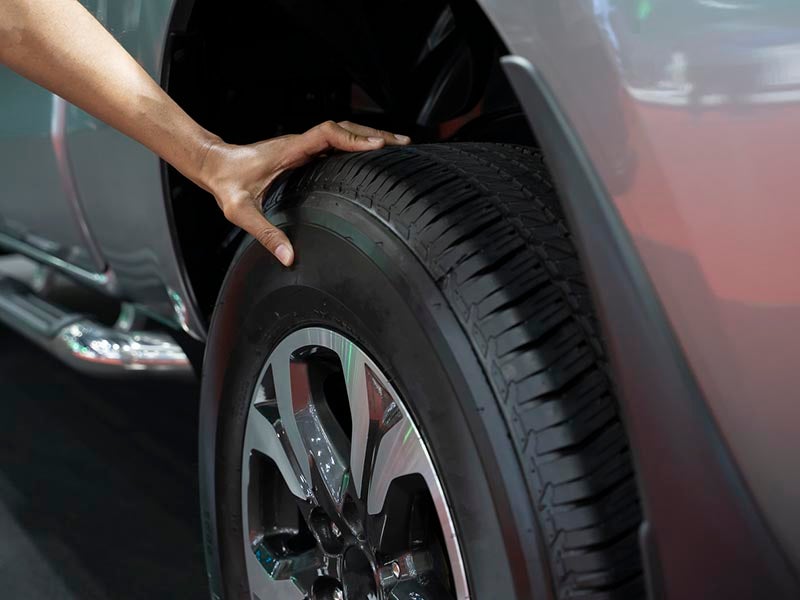
The intense desert sun does more than just heat up your steering wheel; it significantly impacts the chemical composition and physical integrity of your tires. Near Phoenix, the combination of high ambient temperatures and scorching asphalt can accelerate the breakdown of rubber compounds, increasing the risk of heat-related damage and rapid tread depletion. Because the front tires on most vehicles handle the majority of braking and steering forces, they often wear down faster than the rear set. Regularly moving these tires to different positions helps redistribute those heavy loads, ensuring that no single tire bears the brunt of the valley's demanding road conditions for too long.
Maintaining even tread wear is a fundamental safety priority for families navigating the busy interchanges of the Salt River Valley. When tires wear unevenly, it can compromise your vehicle's ability to grip the road during sudden summer monsoon downpours, leading to longer braking distances or hydroplaning. Our factory-trained technicians provide expert care by inspecting for punctures, cupping, or abnormal wear patterns during every visit. If you notice a change in how your vehicle handles or see visible differences in tread depth, you can find us at our Phoenix service center to have a professional take a look.
Beyond safety, consistent maintenance is a smart way to protect your automotive investment. By extending the lifespan of your current set, you delay the need for a full replacement, keeping more money in your pocket for weekend trips to the mountains. If you have questions about the current state of your rubber or need to check for specific heat-related damage, feel free to give our team a quick call for guidance. We are committed to keeping your family safe on the road with reliable, manufacturer-backed maintenance.
Determining Your Optimal Rotation Schedule in the Valley
How often should you actually rotate your tires when the thermometer regularly clears triple digits? While many general manufacturer guidelines suggest an interval of 5,000 to 7,500 miles, the unique environment in Phoenix often warrants a more proactive approach. Local driving habits—such as frequent stop-and-go traffic on the I-10 or carrying heavy loads for family camping trips—can cause tires to wear more quickly than the national average. Many service experts in the region recommend staying toward the lower end of that window, often suggesting a rotation every 5,000 miles or at every oil change to ensure the rubber stays in top condition.
Consistency is the most effective tool for preventing irregular wear. If you wait until you can physically see a difference in the tread depth between the front and rear axles, some level of permanent damage may have already occurred. This is why we suggest syncing this service with your routine maintenance visits. During these appointments, our team doesn't just swap the wheel positions; we also verify that your tires are properly inflated. Correct air pressure is vital in the desert, as under-inflated tires generate even more internal heat, which can lead to structural failure on long highway drives.
For those who prefer to handle minor checks at home or need to replace a missing valve stem cap, sourcing the right components is essential. Using high-quality items from our Toyota parts department ensures that every piece of your wheel assembly meets the original factory specifications. Whether you are commuting from Surprise or heading out on a long road trip, following a disciplined schedule is the best way to ensure your tires remain reliable mile after mile.
What Happens During a Professional Tire Rotation and Inspection
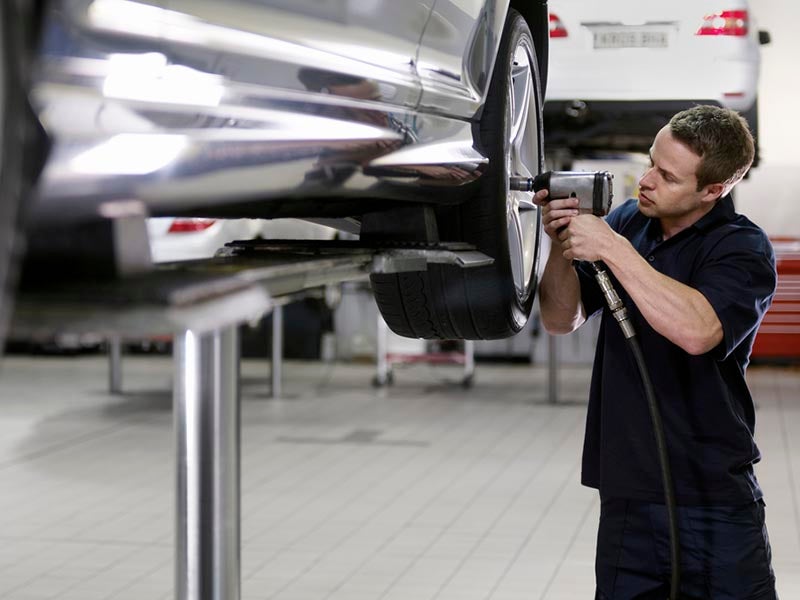 When you bring your vehicle in for service, our technicians follow a specific, documented pattern to move each tire to a new position. The exact sequence—such as a forward cross or a rearward cross—depends on whether your vehicle is front-wheel drive, rear-wheel drive, or equipped with an all-wheel-drive system. This systematic movement ensures that each tire spends time on both the steering and drive axles, balancing out the different types of friction and weight they encounter. It is a precise process designed to maximize the utility of every millimeter of tread.
A professional rotation is also a prime opportunity for a comprehensive safety inspection. Our team looks for "feathering" or "scalloping," which are specific wear patterns that often point to underlying issues with your suspension or alignment. We also check for embedded debris like nails or gravel that could lead to a slow leak. If our technicians discover that a more significant impact has affected your vehicle's structure or body, we can coordinate with our certified collision center to ensure everything is returned to factory standards.
We aim to make this essential maintenance as stress-free as possible for busy families. While we perform the rotation and check your tire pressure, you can relax in our comfortable lounge with complimentary refreshments and Wi-Fi. Taking twenty minutes for this simple service today can prevent hours of frustration on the side of the road later. To find a time that fits your family's schedule, you can easily book your maintenance online through our secure portal.
Special Considerations for All-Wheel Drive and Hybrid Vehicles
Does having an all-wheel-drive (AWD) system mean you can skip the occasional tire swap? In reality, AWD vehicles often require more diligent rotation schedules. Because these systems can send varying amounts of power to any of the four wheels depending on traction needs, they can create complex and uneven wear patterns across both axles. Furthermore, many AWD systems require that all four tires have nearly identical tread depths to avoid putting undue stress on the center differential. Regular rotations help keep the tread levels uniform, protecting your drivetrain from expensive long-term wear.
Hybrid and electric vehicles also present unique challenges for tire longevity. Models like the Prius or RAV4 Hybrid are typically heavier than their gas-only counterparts due to the weight of the battery packs. This extra mass, combined with the instant torque provided by electric motors, can lead to faster tire wear if the vehicle is driven aggressively. If you are currently driving an electrified model, keeping a close eye on your tread is even more important for maintaining the fuel efficiency and quiet ride quality you expect. For those looking to upgrade, we have a wide selection of new Toyota hybrid and EV models that feature the latest in efficiency-focused technology.
Whether you are interested in our latest new Toyota or are browsing our current used vehicles, understanding the maintenance needs of these advanced drivetrains is key to a happy ownership experience. Our team is specifically trained to handle the high-voltage systems and specialized suspension setups found in modern hybrids, ensuring that your tire service is performed safely and correctly every time you visit.
Common Questions About Desert Tire Care and Maintenance
 Q: Does the hot Phoenix climate mean I should rotate my tires more frequently?
High ambient temperatures can cause the rubber in your tires to soften and wear more rapidly, especially during the peak of summer. While the standard 5,000-mile interval is usually sufficient, we recommend a visual inspection every month. If you frequently drive on rougher desert roads or spend a lot of time in heavy traffic, staying strictly to a 5,000-mile rotation schedule is the best way to combat heat-related degradation.
Q: Do I need to balance my tires every time I rotate them?
Balancing is not strictly required at every rotation, but it is highly recommended if you feel any vibration in the steering wheel or floorboards. Balancing involves placing small weights on the wheel to ensure the weight is distributed evenly around the entire assembly. Since tires wear down over time, their weight distribution changes, so checking the balance every 10,000 to 12,000 miles is a good practice to maintain a smooth ride.
Q: Should I get a tire rotation and wheel alignment together?
While they are different services, they work together to protect your tires. A rotation changes the position of the tires to even out wear, while an alignment adjusts the angles of the wheels so they are parallel to each other and perpendicular to the ground. If you notice your vehicle pulling to one side or see "sawtooth" wear on the edges of your tread, it is a good idea to have an alignment check performed at the same time as your rotation.
Q: Does tire rotation help with fuel economy?
Yes, it can. When tires wear unevenly, they can create more rolling resistance, which forces your engine to work harder to maintain speed. By ensuring your tires have a uniform contact patch with the road, you minimize friction and help your vehicle achieve its optimal fuel efficiency. This is particularly noticeable on long highway commutes between Phoenix and Peoria.
Your Trusted Partner for Reliable Tire Service
Our team at Bell Road Toyota is dedicated to helping families across the valley keep their vehicles in peak condition. From the initial inspection to the final torque check, we use factory-approved methods and genuine parts to ensure your tires are ready for the road ahead. Whether you are navigating the daily school run in Glendale or commuting across the city, we make it easy to stay on top of your maintenance.
Ready to ensure your vehicle is prepared for the next heatwave? You can find our service department address online to plan your visit. If you have any specific concerns about your tread wear or would like to discuss a customized maintenance plan for your high-mileage vehicle, please reach out to us at 480-795-5886. We look forward to providing the friendly, expert care your family deserves.
© 2026 Bell Road Toyota. All rights reserved.
*All mileage is EPA estimated.
Fill out the form below and we'll contact you shortly.