


Essential Cooling System and Engine Thermal Management
The cooling system serves as the primary defense against engine failure when ambient temperatures soar. Toyota specifies a coolant replacement interval between 60,000 and 100,000 miles depending on the specific model, but the severe-service conditions of the desert often require more frequent attention. We perform visual inspections of the coolant level and clarity every 6,000 miles to check for debris or chemical breakdown. In a vehicle like the 2026 Toyota Tacoma, which may be used for towing or hauling heavy loads, the engine works significantly harder, making the integrity of the radiator and water pump critical.

Rubber components are particularly vulnerable to the low humidity and high heat of the Arizona desert. Belts and hoses can develop micro-cracks or become brittle, leading to a loss of pressure or a total snap while driving. We typically inspect hoses every 30,000 miles and drive belts every 60,000 miles to ensure they can handle the tension required to run the alternator and water pump. If a hose feels “spongy” or a belt shows glazing on the underside, it is a clear indicator that the material has reached its thermal limit.
Maintaining the proper oil viscosity is another pillar of engine health. Heat causes motor oil to thin out faster, which can reduce the protective film between moving engine parts. For drivers following a severe-service schedule, we recommend oil changes every 5,000 miles using high-quality synthetic oil to prevent heat-induced sludge. If you prefer to handle minor top-offs yourself, our Parts Center stocks the exact fluids and filters designed for your Toyota engine.
Optimizing Tire Performance and Road Safety on Hot Asphalt
Extreme heat in the desert significantly increases the risk of a blowout for underinflated tires. As the asphalt temperature rises, the air inside your tires expands; however, starting with the wrong base pressure leads to excessive sidewall flexing and heat buildup. We advise checking your tire pressure at least once a month when the tires are “cold” and adjusting them to the specific PSI listed on the driver-side door jamb sticker. This is especially important for the long commutes from Surprise, where the high-speed drive into the city center puts sustained stress on the tire tread.
Uneven wear is often exacerbated by the high temperatures of Arizona roads. We recommend a tire rotation every 5,000 to 7,000 miles to ensure the tread wears evenly across all four positions. This practice not only extends the life of the rubber but also maintains the effectiveness of safety systems like Standard blind spot detection and Standard lane departure warning & prevention by ensuring consistent traction. If you notice a vibration in the steering wheel or a pull to one side, it may indicate that the heat has affected the wheel alignment or caused a tire belt to shift.
If you experience a tire failure or a minor fender bender due to road debris, our collision repair center is equipped to restore your vehicle to factory specifications. Proactive care is the best way to avoid these situations, and you can easily book a tire inspection online to have our technicians verify your tread depth and pressure. Keeping your tires in top condition is the most effective way to ensure your Toyota remains stable and responsive on scorching desert highways.
Advanced AC Diagnostics and Cabin Air Quality Services
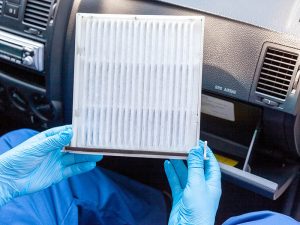
The cabin air filter is the first component to check when a vehicle’s interior fails to stay cool. Toyota’s maintenance schedule for severe-service conditions suggests replacing this filter every 15,000 miles or once a year. In the desert, dust and pollen can clog the filter much faster, restricting airflow and forcing the AC compressor to work overtime. A clean filter ensures that the air conditioning system can reach its maximum cooling capacity without putting unnecessary strain on the engine.
A professional AC inspection involves more than just checking for cold air; it is a technical evaluation of the entire sealed system. We use specialized gauges to measure refrigerant pressures and check for leaks in the evaporator or condenser. If your AC is blowing warm air, it is often due to a low refrigerant level or a failing compressor clutch. We also inspect the cooling fans, which must pull massive amounts of air through the condenser to dissipate heat while you are sitting in stop-and-go traffic.
Dust is a constant factor in the Southwest that affects more than just your breathing. It can accumulate on the condenser fins, acting as an insulator that prevents the system from shedding heat. Our technicians perform a thorough cleaning of these exterior components during a summer service visit. By maintaining the efficiency of the AC system, you protect the internal seals from drying out and ensure that every passenger stays comfortable, even when the outside temperature is at its peak.
Quick Answers for Phoenix Summer Maintenance
Q: Why does my car battery die so much faster in Arizona than in other states? The intense heat in the desert causes the liquid electrolyte inside the battery to evaporate much faster than in temperate climates. This leads to internal corrosion and sulfation, which often limits a battery’s lifespan to about 2 or 3 years. We recommend having your battery load-tested every spring to ensure it can handle the high electrical demands of summer.
Q: Is it safe to use the “Max PSI” listed on the tire sidewall for summer driving? No, you should always follow the manufacturer’s recommended PSI found on the sticker inside your driver-side door jamb. The “Max PSI” on the tire itself is the absolute limit the tire can hold, not the ideal pressure for your specific vehicle’s weight and handling. Overinflating tires in the heat can lead to a harsh ride and an increased risk of a blowout as the air expands.
Q: How much water should I actually keep in my vehicle for emergencies? It is a best practice to keep at least 2 gallons of water in your trunk specifically for emergency use. If you are stranded on the side of the road in 110-degree weather, dehydration happens rapidly. This water is for the passengers, not the radiator, as modern cooling systems require a specific coolant-to-water ratio to prevent boiling and corrosion.
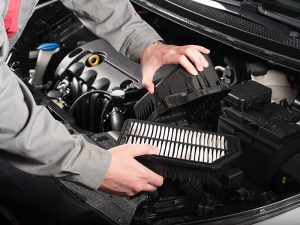
Q: Does the desert dust really affect my engine’s horsepower? Yes, a heavily clogged engine air filter can restrict the amount of oxygen reaching the combustion chamber, which reduces power and fuel efficiency. In the dusty conditions of the Southwest, we often see filters that need replacement well before the standard 30,000-mile interval. We check the TRD Air Filter or standard paper filters at every oil change to ensure your engine can breathe freely.
Q: How do I know if my coolant needs to be flushed before the 100,000-mile mark? If the coolant appears cloudy, contains floating debris, or has changed color significantly, it has lost its ability to protect against corrosion and heat. We use test strips to check the pH balance and boiling point of the fluid. For those driving older models or high-mileage vehicles, checking out our new Toyota or used vehicle inventory can be a way to move into a newer vehicle with a fresh cooling system and updated warranty coverage.
Proactive Maintenance for Long-Term Desert Reliability
Taking the time to prep your vehicle for the summer heat is the most effective way to ensure long-term reliability. By following a severe-service maintenance schedule, you address the unique challenges of the desert before they turn into expensive repairs. Whether it is a fresh cabin filter to keep the dust out or a cooling system flush to protect your engine, these small steps keep your Toyota running as the manufacturer intended. Our certified technicians understand the specific needs of local drivers and use only genuine parts to maintain your vehicle’s integrity.
If you are unsure when your last service was performed, our team can pull your vehicle’s history and recommend the necessary checks for the current season. We focus on the details that matter most in this climate, from battery health to tire integrity. You can easily find our Bell Road location for a walk-in consultation or give us a quick call to set up a comprehensive summer inspection. Stay ahead of the heat and keep your Toyota ready for every desert mile.
© 2026 Bell Road Toyota. All rights reserved.
Connect with us

