


Fuel Filter Replacement Service in Phoenix, AZ
The fuel filter is a vital shield within your vehicle's fuel delivery system, engineered to block contaminants before they can reach precision engine components. As gasoline or diesel flows from the storage tank, it must pass through a fine filtration medium designed to trap dirt, rust, sediment, and microscopic debris. If these particles bypass the filter, they can quickly clog highly sensitive fuel injectors, score cylinder walls, or damage the fuel pump. Keeping this barrier clean ensures that your engine receives a steady, uninterrupted flow of purified fuel, which is necessary to maintain proper combustion chamber pressures and overall system health.
 Neglecting this simple maintenance item can lead to a cascade of expensive mechanical issues under the hood. When the filter medium becomes saturated with trapped debris, the fuel pump must work significantly harder to push fuel through the restriction, generating excess heat that can lead to premature pump failure. Over time, restricted fuel delivery starves the engine of the precise volume of fuel required for combustion, leading to lean running conditions, rough idling, and sudden power loss.
If you are experiencing sluggish acceleration or suspect your vehicle is overdue for fuel system maintenance, our factory-trained technicians are here to help. You can easily schedule service online to have your fuel delivery system professionally inspected and pressure-tested. For drivers navigating the busy highway corridors of Phoenix, maintaining a clean fuel system is key to long-term vehicle reliability. If you would like to speak with our service advisors directly to discuss your maintenance interval, you can reach us at 480-795-5886, or find the best route to our facility by viewing our service center location.
Recognizing the Symptoms of a Clogged Fuel Filter
How do you know when your vehicle is struggling with a restricted fuel flow? Because the fuel filter traps microscopic particles continuously, it gradually loses its flow capacity over thousands of miles. The most common early indicator of a clogged filter is an engine that takes longer to start or struggles to fire up when you turn the key, as the system takes longer to build up the necessary fuel pressure. As the restriction worsens, you may notice the engine stumbling, hesitating under heavy acceleration, or misfiring at highway speeds.
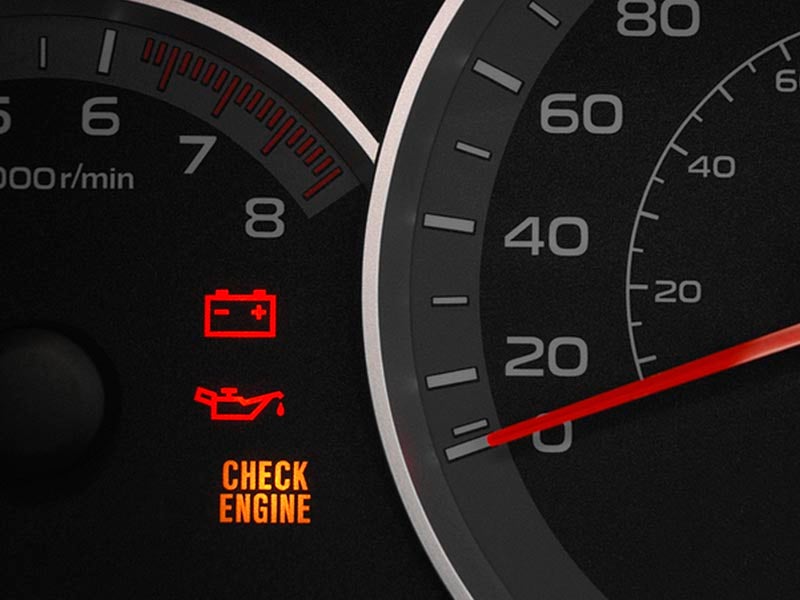
A severely restricted filter will eventually trigger the check engine light on your dashboard, often accompanied by diagnostic trouble codes indicating a lean fuel mixture or random cylinder misfires. Drivers may also experience a rough, shaky idle while waiting at traffic lights, or a sudden drop in engine power when climbing steep desert grades. If these warning signs are ignored, the engine can stall completely because it is starved of the fuel required to maintain combustion.
To prevent these performance issues, it is critical to use high-quality replacement parts designed specifically for your vehicle's fuel system. Our specialized parts department stocks original equipment manufacturer filters that guarantee exact fitment and filtration ratings. Keeping your vehicle's filtration systems in top shape is especially important for maximizing efficiency, whether you are driving a traditional gasoline vehicle or maintaining one of the advanced models from our hybrid vehicle selection.
How Fuel Delivery Restrictions Impact Engine Performance and Fuel Economy
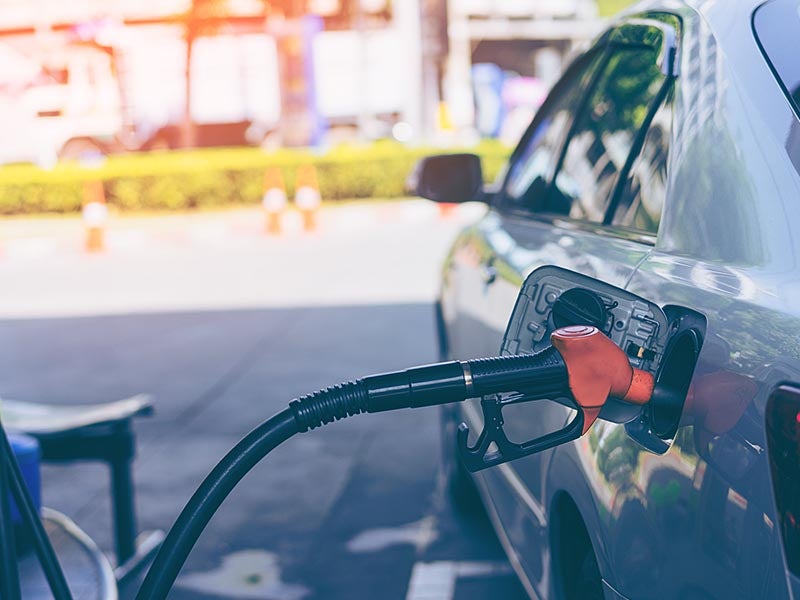
Can a dirty fuel filter actually ruin your gas mileage? Yes, a clogged filter directly impacts fuel economy by disrupting the precise air-fuel ratio managed by your vehicle's engine control module. When the filter restricts fuel flow, the engine's computer detects a lean operating condition and attempts to compensate by adjusting fuel injector pulse widths and timing. This inefficient combustion cycle forces the engine to work much harder to produce the same amount of power, resulting in a noticeable increase in fuel consumption and more frequent trips to the pump.
Beyond hurting your wallet at the pump, chronic fuel starvation causes severe engine strain. The lack of adequate fuel pressure prevents the injectors from atomizing the fuel cleanly, leading to incomplete combustion and carbon buildup on the spark plugs and valves. Over time, this poor combustion can damage your catalytic converter or cause internal engine overheating.
Our certified service team is fully equipped to diagnose complex fuel delivery issues, perform system pressure tests, and replace worn components before they lead to major breakdowns. If your vehicle has suffered from prolonged engine stumbling or other mechanical issues, our certified collision and repair center can assist with comprehensive mechanical diagnostics. To help you stay on top of your vehicle care budget, we regularly update our online resources with service offers and maintenance information designed to keep your vehicle running efficiently.
The Technical Differences Between Gasoline and Diesel Filtration Systems
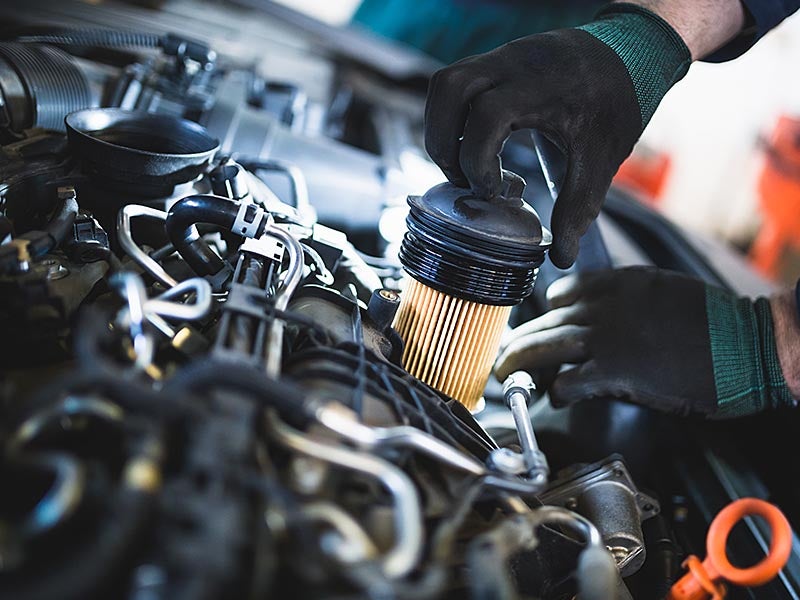
Are gasoline and diesel fuel filters interchangeable? Absolutely not, as gasoline and diesel engines utilize vastly different fuel delivery technologies and have distinct filtration requirements. Diesel fuel is naturally heavier, more viscous, and has a much higher capacity to hold dissolved water than gasoline. Because of this, diesel fuel systems require highly specialized filters that incorporate a water-separating chamber to prevent moisture from reaching the high-pressure fuel pump and fuel injectors, where water can cause immediate corrosion and catastrophic component failure.
Furthermore, modern common-rail diesel injection systems operate at extreme pressures, often between 23,000 psi and 36,000 psi. At these intense pressures, even microscopic particles as small as 2 microns can act like abrasive sandpaper, destroying precision-mated injector nozzles. Consequently, diesel filters must provide much finer filtration—typically rated at 2 to 5 microns—compared to gasoline filters, which generally target particles in the 10 to 30 micron range. Diesel filters also require regular draining of the accumulated water separator to prevent hydraulic lock.
If you are driving a diesel-powered vehicle, keeping up with these rigorous filtration requirements is the single best way to protect your high-pressure pump and injectors from thousands of dollars in damage. For drivers operating heavy-duty vehicles around the warm, dusty desert environments of Surprise, replacing these filters on schedule is crucial. If you need assistance choosing the correct filter or want to speak with our service department, please call our service team or drop by our facility by getting driving directions to our location.
Quick Answers for Fuel System Maintenance & Repair
Q: How is a bad fuel filter different from a bad air filter?
An air filter cleans the air entering the intake manifold, while a fuel filter purifies the liquid fuel before it reaches the injectors. A clogged air filter restricts airflow, often causing a rich fuel mixture, black exhaust smoke, and carbon buildup. Conversely, a bad fuel filter restricts fuel flow, causing a lean mixture, low fuel pressure, engine stumbling, and potential fuel pump burnout.
Q: Does a clogged fuel filter put strain on the fuel pump?
Yes, a restricted filter forces the electric fuel pump to work significantly harder to push fuel through the blocked medium. This restriction increases the electrical current draw of the pump, generating excessive internal heat. Over time, this thermal stress degrades the pump's electric motor and seals, leading to premature fuel pump failure.
Q: Why is the labor cost so high for changing some fuel filters?
On many modern vehicles, the fuel filter is not mounted inline along the frame rail under the car. Instead, it is integrated directly into the fuel pump assembly inside the fuel tank. Replacing this type of filter requires technicians to drop the entire fuel tank or remove the rear passenger seats to access the fuel pump service port, which requires specialized tools and significantly more labor time.
Q: Is it normal to replace the fuel filter every time you replace a fuel pump?
Yes, it is highly recommended and often required by parts manufacturers to maintain warranty coverage. If a fuel pump has failed, it has likely shed metallic wear particles or encountered heavy sediment in the tank. Installing a brand-new fuel pump without replacing the filter can cause immediate restriction or allow residual debris to ruin the new pump.
Q: How often should a diesel fuel filter be changed?
Most manufacturers recommend replacing diesel fuel filters every 10,000 to 15,000 miles, or at every other oil change. This interval is much shorter than gasoline vehicles because diesel fuel is highly susceptible to water condensation and wax crystallization in cold weather, which can quickly plug the fine 2-micron filtration media.
Protect Your Engine with Professional Maintenance at Bell Road Toyota
Maintaining a clean fuel delivery system is one of the most effective ways to preserve your engine's power, protect your fuel pump, and ensure reliable performance on every drive. Whether you are commuting daily or taking weekend trips across the desert terrain of Peoria, a fresh fuel filter ensures your engine operates at peak efficiency. Our factory-trained technicians at Bell Road Toyota use specialized diagnostic equipment to test your fuel system pressure and install high-quality, factory-approved replacement parts. If you are experiencing engine hesitation, avoid a costly fuel pump failure and address your vehicle's maintenance needs. Please use our online tool to schedule your service appointment today and let our professional team keep your vehicle running smoothly for miles to come.
© 2026 Bell Road Toyota. All rights reserved.
Fill out the form below and we'll contact you shortly.