


Fuel System Service & Repair in Phoenix, AZ
Modern automotive engineering has transformed how vehicles deliver gasoline to the combustion chamber. For decades, port fuel injection was the standard, a design where fuel was sprayed into the intake port, allowing the gasoline to wash over the back of the intake valves and naturally rinse away carbon deposits. Today, many Toyota vehicles utilize advanced direct-injection systems, or the dual-port and direct-injection setup known as D-4S technology. While this design maximizes thermal efficiency and power, it means fuel is sprayed directly into the cylinder, leaving the intake valves dry. Without gasoline constantly washing over them, carbon and varnish deposits accumulate on the valves over time, restricting airflow and degrading engine performance.
 These deposits are further accelerated by the ethanol content found in standard pump gasoline. Ethanol naturally attracts moisture and burns differently than pure petroleum, leaving behind a sticky residue in the fuel lines, on injector tips, and inside the combustion chamber. When these deposits build up, they disrupt the highly precise, cone-shaped mist that fuel injectors must produce for clean combustion. Instead of a fine mist, clogged injectors begin to dribble fuel, leading to incomplete combustion, carbon accumulation on the pistons, and a noticeable loss of throttle response.
Preventing this buildup is far simpler and more cost-effective than dealing with hardened carbon. If left untreated for too long, the only way to restore airflow is through invasive mechanical procedures like media-blasting the intake valves with crushed walnut shells, which requires removing the intake manifold entirely. Scheduling periodic professional maintenance keeps these deposits soft and manageable, allowing specialized chemical cleaners to sweep them away safely. If your vehicle has crossed the 30,000-mile mark, you can easily schedule a service appointment with our factory-trained technicians to keep your fuel delivery system operating like new.
For drivers operating in the hot desert climate of Phoenix, where long highway commutes and extreme summer heat put extra stress on engine cooling and fuel stability, staying ahead of this maintenance is crucial. If you have questions about your vehicle's specific maintenance interval, feel free to give our service team a quick call for expert advice.
What is Included in a Professional Fuel System Service?
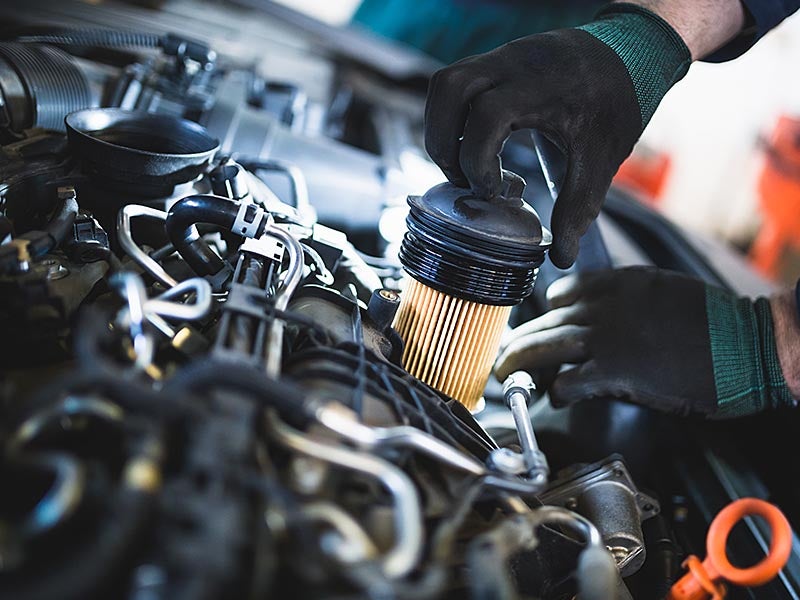 A professional fuel system service is a comprehensive, multi-step maintenance procedure designed to clean the entire fuel delivery path. This service goes far beyond over-the-counter pour-in fuel additives, which are heavily diluted by the gasoline in your tank and lack the chemical strength to dissolve hardened carbon. A professional service utilizes specialized, pressurized equipment connected directly to the engine's fuel rail, allowing an undiluted, commercial-grade cleaning solution to run through the injectors while the engine is operating.
During a professional service at our facility, our technicians target several critical areas:
- Fuel Injector Cleaning: The pressurized solvent dissolves varnish and carbon on the injector tips, restoring the precise, atomized spray pattern required for complete combustion.
- Throttle Body and Throttle Plate Decarbonizing: Technicians manually clean the throttle bore and plate, removing sticky residue that can cause the throttle to stick or disrupt idle airflow.
- Intake Valve and Port Cleaning: For vehicles with port injection or dual-injection systems, the chemistry dissolves deposits on the intake valves to restore unrestricted airflow.
- Combustion Chamber Descaling: The cleaning agents break down carbon deposits on the piston tops and cylinder heads, reducing the risk of hot spots that cause engine knock.
Additionally, our technicians inspect the physical integrity of the system, checking the fuel lines, hoses, and connections for leaks, cracks, or signs of wear. If your vehicle utilizes an inline fuel filter that is serviceable, replacing it is a critical step in maintaining fuel pressure and protecting the delicate internal components of the injectors. When replacement components are required, our team uses original equipment manufacturer parts sourced directly from our Parts Center to guarantee proper fitment, pressure ratings, and long-term durability.
Recognizing the Signs of a Dirty Fuel Induction System and Clogged Injectors
Your vehicle will typically exhibit clear drivability symptoms when carbon deposits begin to choke the fuel and air induction systems. Because these deposits accumulate gradually over thousands of miles, many drivers do not notice the slow decline in engine responsiveness until the symptoms become severe. One of the most common early warning signs is a rough, unstable idle. When fuel injectors are partially restricted or the throttle body is coated in carbon, the engine's computer struggles to maintain a steady idle speed, causing the vehicle to vibrate or shudder when stopped at a red light.
Another frequent indicator is acceleration hesitation or stumbling. When you press the gas pedal, the engine requires an immediate, precise increase in fuel and air. Clogged injector nozzles cannot deliver this fuel instantly, resulting in a momentary lag, flat spots in the power band, or a sputtering sensation under load. You might also experience hard cold starts, as the accumulated carbon on the intake valves acts like a sponge, absorbing fuel during a cold start and leaving the combustion chamber temporarily lean.
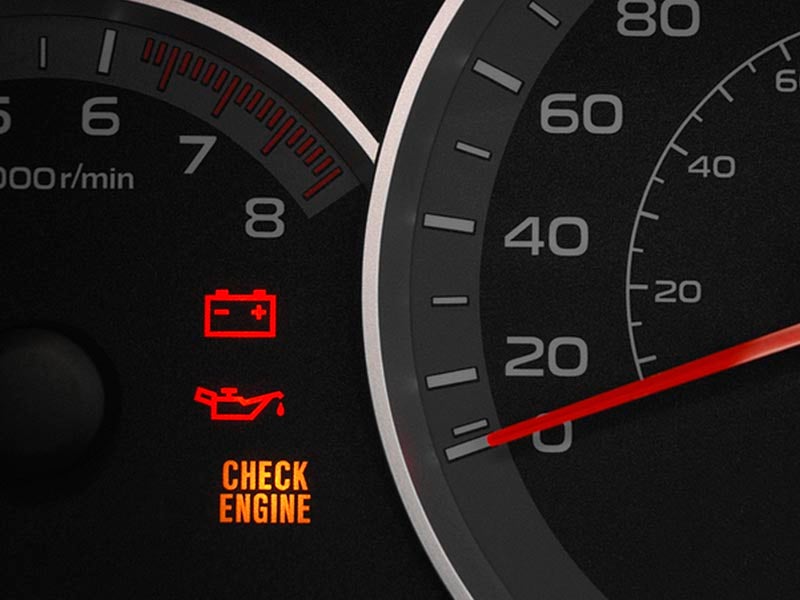
In severe cases, restricted fuel flow or disrupted airflow will cause the engine to misfire, triggering diagnostic trouble codes such as P0300 and illuminating the check engine light on your dashboard. If your vehicle is displaying a warning light or showing signs of performance loss after a collision or long-term storage, our factory-certified technicians can perform a complete diagnostic scan.
How Cleaning Fuel Injectors Restores Your Gas Mileage and Engine Performance
Restoring the efficiency of your fuel injectors has a direct, measurable impact on your vehicle's fuel economy. When fuel injectors are clean, they spray fuel in a highly atomized, fine mist. This microscopic droplet size maximizes the surface area of the fuel, allowing it to mix perfectly with incoming air and burn completely during the combustion stroke. When injectors are dirty and begin to dribble fuel, the larger droplets do not burn completely, resulting in wasted fuel that exits through the exhaust system as unburned hydrocarbons.
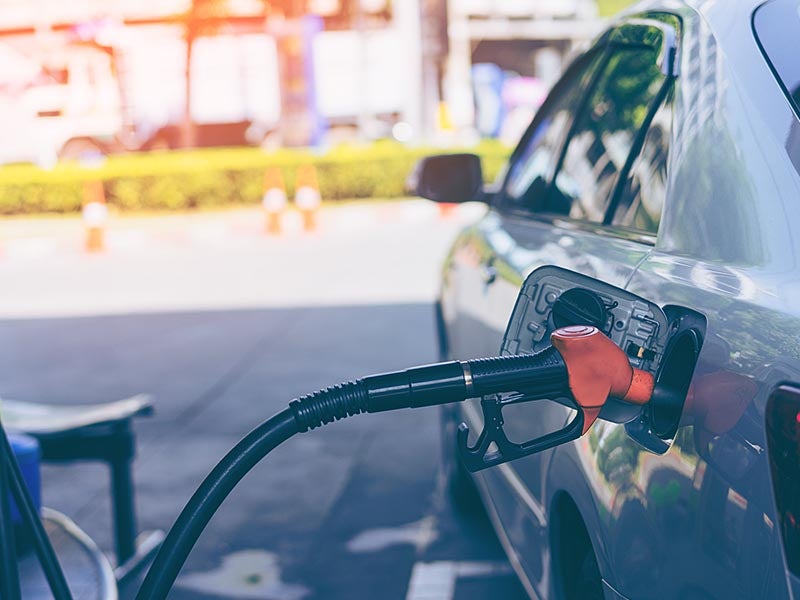 To compensate for this poor combustion and maintain target power levels, the engine control module is forced to adjust the fuel trim, injecting more gasoline into the cylinders. This constant over-fueling can rapidly degrade your average miles per gallon. By performing a professional pressurized cleaning, you eliminate this inefficient combustion cycle, allowing the engine to extract the maximum amount of energy from every drop of fuel.
Beyond fuel savings, keeping the system clean prevents premature wear on expensive secondary components. Unburned fuel traveling down the exhaust stream increases the operating temperature of your catalytic converter and contaminates the oxygen sensors, potentially leading to costly exhaust system repairs. For drivers in the suburban neighborhoods of Surprise, where daily commutes involve a mix of high-speed highway driving and local stop-and-go traffic, maintaining peak engine efficiency is key to keeping operating costs low. If you are currently driving an older vehicle and want to compare its efficiency against a newer model, you can browse our latest used vehicle offers to find a highly efficient, thoroughly inspected pre-owned model.
Common Questions About Maintaining Your Fuel Delivery System
Q: Does fuel system cleaning actually improve gas mileage?
A: Yes, a professional fuel system service can restore lost fuel efficiency if your engine has been suffering from clogged injectors or carbon-coated valves. By restoring the proper atomized spray pattern, the engine burns fuel more completely, eliminating the need for the computer to inject extra gasoline to compensate for poor combustion. However, if your fuel system is already clean, performing the service will not increase your fuel economy beyond its original factory rating.
Q: Do stop-and-go city driving conditions change how often I need fuel system service?
A: Yes, frequent short trips and stop-and-go driving accelerate the formation of carbon deposits. When an engine does not reach and maintain its optimal operating temperature for extended periods, fuel does not burn as cleanly, and combustion byproducts are more likely to settle on the intake valves and injector tips. Drivers who primarily commute in heavy city traffic may benefit from a fuel system cleaning closer to every 30,000 miles, whereas highway-only drivers can often wait longer.
Q: How do you know if a fuel filter is clogged?
A: A clogged fuel filter restricts the flow of gasoline from the tank to the engine, which typically causes a noticeable drop in power under heavy load, such as accelerating up a steep hill or towing. You may also experience engine sputtering at high speeds, hesitation during acceleration, or difficulty starting the vehicle. If the restriction is severe enough, it will drop the fuel rail pressure below specification, triggering a lean-running check engine light code.
Q: What happens if you never clean your fuel injectors?
A: Neglecting your fuel injectors leads to a progressive buildup of carbon and varnish that permanently degrades engine performance. Over time, the restricted fuel flow will cause chronic engine misfires, rough idling, and a severe drop in fuel economy. Eventually, the injectors can become so heavily clogged or damaged by heat that chemical cleaning is no longer effective, requiring the complete physical replacement of the fuel injectors.
Q: Can dirty fuel injectors cause a check engine light?
A: Yes, dirty fuel injectors can easily trigger a check engine light. When an injector is restricted, it delivers an insufficient amount of fuel to the cylinder, creating an improper air-fuel ratio. The vehicle's oxygen sensors will detect this lean condition, and the engine computer will register misfire codes or lean fuel system codes, illuminating the dashboard warning light.
Schedule Your Professional Fuel System Service
Maintaining a clean fuel system is one of the most effective ways to protect your engine's internal components, preserve your fuel economy, and enjoy a smooth driving experience. Our team of factory-trained, ASE-certified technicians understands the precise maintenance needs of your vehicle's fuel injection system. We use professional-grade diagnostic tools and specialized cleaning equipment to safely dissolve power-robbing deposits and restore factory performance.
For drivers commuting through Peoria, where regular travel across local river bluffs and suburban routes demands consistent engine power and reliability, keeping your fuel system clean prevents unexpected performance drops. If you are experiencing a rough idle, hesitation, or a sudden drop in fuel efficiency, let our service team perform a professional inspection.
To find our service department, you can easily get directions to our dealership online. If you prefer to speak directly with a service advisor to discuss your vehicle's symptoms or schedule an appointment, give our team a quick call today.
© 2026 Bell Road Toyota. All rights reserved.
Fill out the form below and we'll contact you shortly.